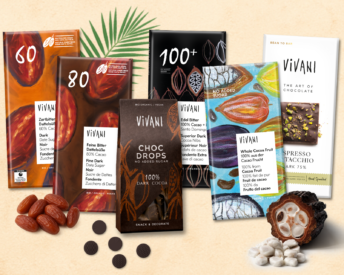
Why dark chocolate can be good for your gut
On the link between bitter substances, the microbiome and nutritional psychology
Text:
Katharina Kuhlmann
Photography:
© EcoFinia GmbH
14 September 2026

A piece of dark chocolate after a meal – to many people, that sounds rather unusual at first. Round here, sweet desserts or little treats are more typically the way to round off a hearty meal. Yet it might actually be a good idea for your gut to opt for something bitter after a meal, such as chocolate with a high cocoa content. This hypothesis is supported by findings from researchers who have been studying in depth for several years how cocoa and its constituents interact with our microbiome. Much remains to be investigated, but the initial results are promising.
What are the benefits of dark chocolate?
A key difference between milk chocolate and dark chocolate is the cocoa content. The higher this is, the more natural plant compounds from the cocoa bean are retained. At the same time, dark chocolate generally contains less sugar and more fibre than many other sweets.
Among the most interesting components of cocoa are:
- Flavonoids – plant compounds from the polyphenol group with antioxidant properties. They can protect the body’s cells from oxidative stress and are associated with various positive health effects.
- Fibre, which can also serve as food for gut bacteria.
- Bitter substances, which give cocoa its characteristic flavour.
- Minerals such as magnesium, iron and calcium.
- Theobromine, a natural plant compound with a mildly stimulating effect.
How do bitter substances affect digestion?
Bitter substances used to be a natural part of our diet. In other cultures, for example in some Asian countries, people still traditionally consume significantly more bitter substances than in Western industrialised nations. In the latter, many varieties of fruit and vegetables have been specifically bred to be milder, and food is often ultra processed. As a result, bitter compounds have increasingly been banished from our diet and, to some extent, we have even “forgotten” how to handle them.
Yet various findings suggest that bitter compounds could well be beneficial for our gut health. They stimulate the production of saliva and digestive juices, thereby preparing the body for digestion. Some researchers also suspect that bitter compounds may positively influence communication between the gut and the brain and contribute to an earlier feeling of fullness.
Their potential influence on the gut microbiome is also particularly interesting. For example, cocoa not only provides bitter compounds, but also fibre and polyphenols, which can serve as food for certain gut bacteria. This could enable beneficial microorganisms to multiply more effectively.
The effect of dark chocolate on the microbiome

Our gut is home to billions of microorganisms. Together, they form what is known as the microbiome, which plays a role in digestion, amongst other things. However, years of research have also revealed links to our immune system and our brain.
A South Korean study conducted in 2017 involving healthy adults is of particular interest with regard to the effect of dark chocolate on gut health. In this study, researchers specifically investigated the link between the consumption of dark chocolate and the state of the microbiome. It was demonstrated that consuming 30 grams of dark chocolate containing 85 per cent cocoa daily for three weeks increased the diversity of the gut microbiome. At the same time, the participants reported an improvement in their mood. The researchers suspect that these two effects may be linked. However, this is a relatively small study – further research is needed to confirm the findings in larger studies and to better understand the relationships involved.
Sweet desserts versus a bitter end to a meal
In our culture, meals traditionally end on a sweet note. However, some nutrition experts believe that a bitter finish could actually offer benefits. The reason for this is linked to our internal reward circuit: sweet foods activate it and often make us crave even more sweet things. Bitter flavours, on the other hand, provide a clear sense of closure. They tend to signal to the brain that the meal is over, rather than further stimulating the appetite. So, a small piece of dark chocolate after a meal – as a conscious strategy for enjoyment – could help prevent the craving for more sweets from arising in the first place. We could relearn to appreciate not only sweetness but also bitterness – and to associate it with a feeling of fullness.
Food noise and ultra‑processed foods versus dark chocolate
Being more mindful about sweets seems like a resolution that should be quite easy to keep – were it not for a phenomenon that has now been aptly named ‘food noise’. The term describes the constant mental preoccupation with further food, even though one is actually physiologically full. This constant inner craving can be triggered by the ubiquitous presence of food and snacks in advertising, or exacerbated by stress, lack of sleep, dieting or biological factors.
This feeling is often promoted by ultra-processed foods. They frequently contain high levels of sugar, fat, salt and intense flavourings that strongly stimulate our reward circuit. As a result, many people find it difficult to stop after just a small portion. A vicious circle of appetite, repeated eating and further cravings can easily develop.
Dark chocolate can counteract this mechanism: the intense cocoa flavour and the bitter compounds often ensure that even small amounts are found to be satisfying. Chocolate with a high cocoa content is also usually savoured more slowly and mindfully, which is why a feeling of fullness can be perceived much more clearly.

Enjoyment in moderation
However interesting the research findings to date may be, dark chocolate is not a miracle cure. Many of the positive effects are currently being investigated scientifically, and not all correlations have yet been conclusively proven. Furthermore, despite its potential benefits, dark chocolate remains a high-calorie food that is particularly high in fat. Nevertheless, as part of a balanced diet, there are many reasons to opt for a small amount of high-quality dark chocolate rather than sweets with a high sugar content. This is because it combines enjoyment with a whole range of natural plant compounds that not only taste great but may also have positive effects on our gut health.
Sources:
- https://cocoarunners.com/blog/bitterness-or-sweetness-how-should-you-end-a-meal/?utm_source=Klaviyo&utm_medium=campaign&utm_campaign=CCM+-+Bitter+or+Sweet+-+ending+a+meal&utm_id=01KS80CNG4SC1SQFBZ0746B25A&_kx=6nPu9nIvF1Efk1NJgtPfK-BgIh_B5ocbVM82VYtZNhr1fvpLm8wi8nAZVsqveM0L.WveNUi&v=5f02f0889301
- https://www.deutschesgesundheitsportal.de/2022/08/23/dunkle-schokolade-gut-fuer-das-mikrobiom-gut-fuer-die-laune/
- https://www.sciencedirect.com/science/article/pii/S0955286321002746?via%3Dihub#sec0002
- https://www.apotheken-umschau.de/gesund-bleiben/ernaehrung/dunkle-schokolade-wie-die-inhaltstoffe-auf-die-gesundheit-wirken-1452379.html#gute-stoffe-in-dunkler-schokolade
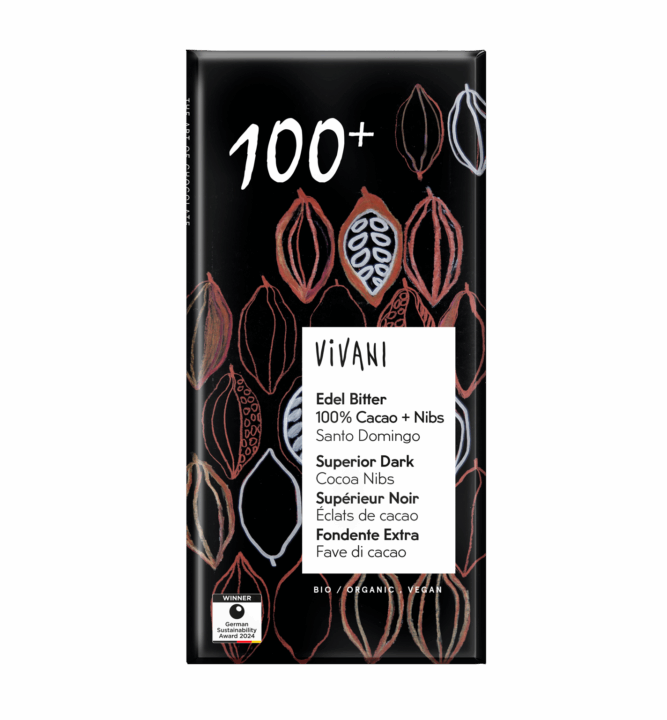
Superior Dark 100% + Cocoa Nibs
Santo Domingo Cocoa | vegan | without added sugar
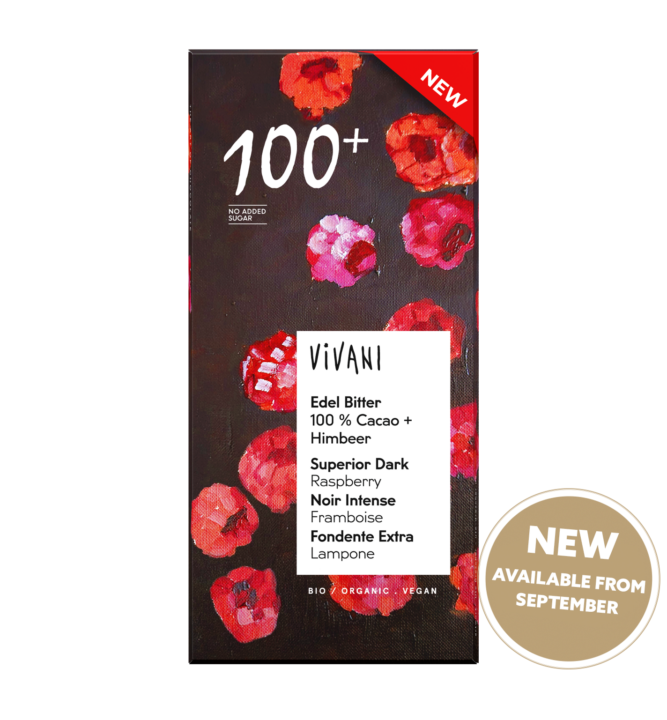
Superior Dark 100% + Raspberry
Santo Domingo Cocoa | vegan | with natural sweetness of the fruit

Superior Dark
Blood Orange
100 % Cocoa Santo Domingo | vegan | Biodynamic
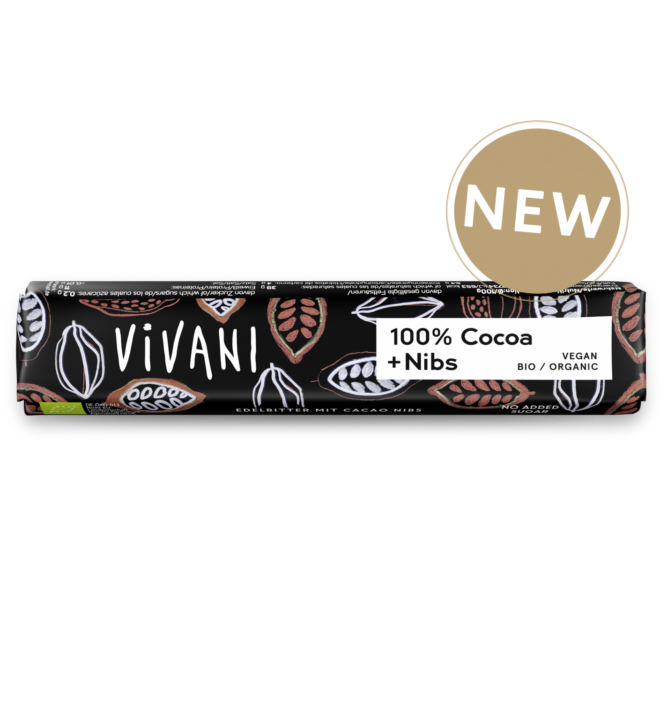
100% Cocoa + Nibs
Santo Domingo Cocoa | vegan | without added sugar
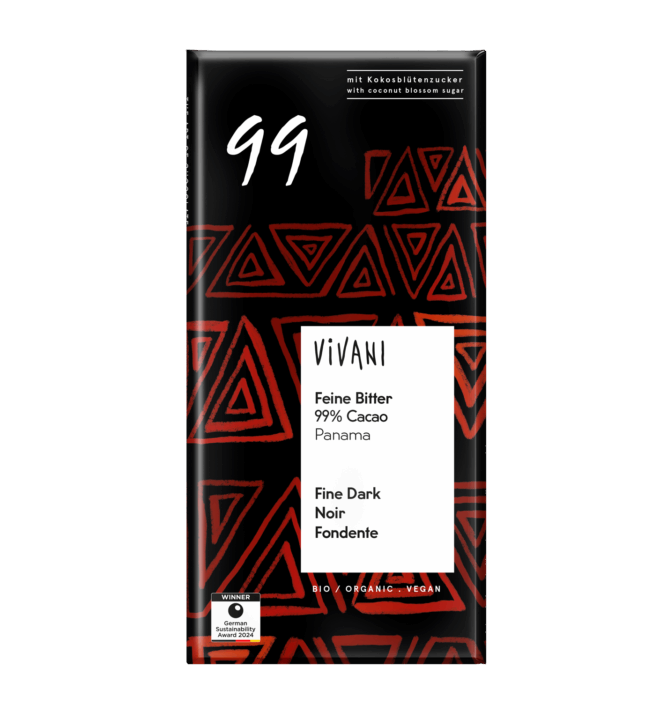
Fine Dark 99 % Cocoa
Panama Cocoa | vegan | with coconut blossom sugar
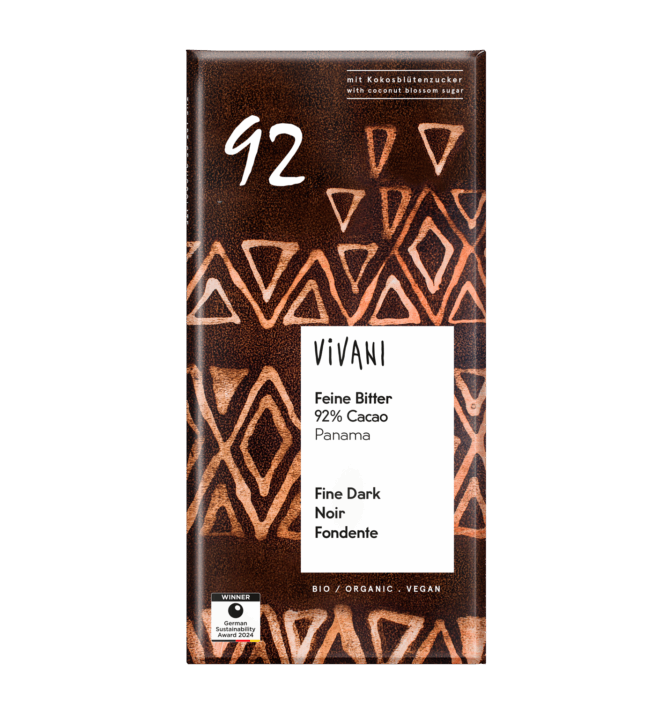
Fine Dark 92 % Cocoa
Panama Cocoa | vegan | with coconut blossom sugar
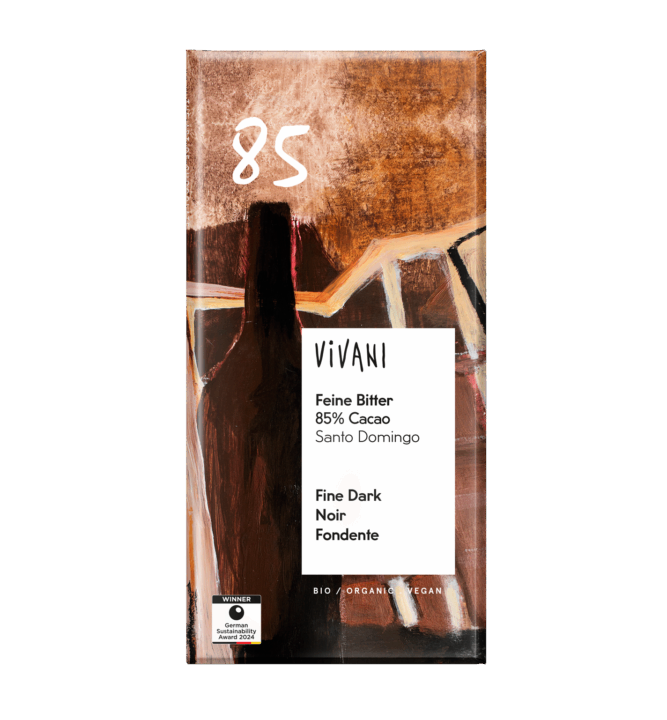
Fine Dark 85 % Cocoa
Santo Domingo Cocoa | vegan
Verwandte Artikel
The Chocolate Journal